Why Your Basement Might Smell Like Sewage – Causes & Fixes
Why Your Basement Might Smell Like Sewage – Causes & Fixes
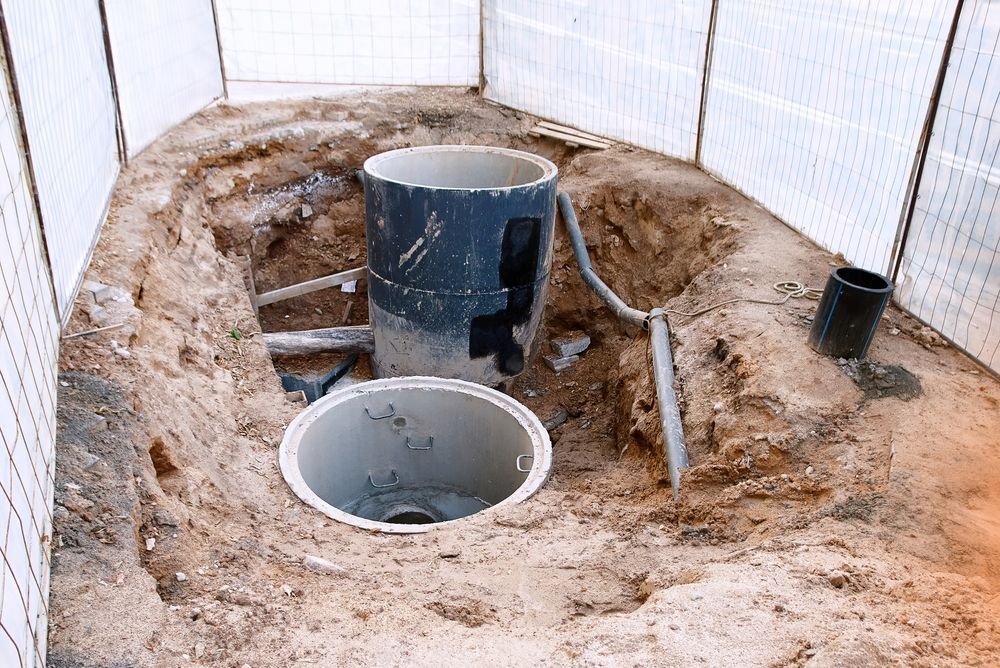
Few problems make homeowners more uneasy than a sewage smell coming from the basement. The odor is unpleasant, but it’s also a sign that something could be wrong with your plumbing or sewer system.
At O’Harra’s Plumbing Service, we frequently receive calls from Topeka homeowners who notice foul odors near drains, sump pumps, or basement floors. While the smell might start faint, it often worsens over time and can indicate a serious issue — such as a cracked sewer line, blocked vent, or failed drain trap.
Here’s what you should know about the causes, health risks, and the most effective ways to fix the problem.
Why Sewage Odors Occur in Basements
Sewer gases contain a mixture of compounds, including hydrogen sulfide, methane, and ammonia. These gases should remain sealed inside your plumbing system — not leak into your home. When they do escape, they create the familiar “rotten egg” or “sulfur” smell that’s difficult to ignore.
There are several possible reasons this happens, and identifying the source is key to resolving it quickly.
Common Causes of a Sewage Smell in the Basement
1. Dried-Out Drain Traps
Every drain in your home contains a U-shaped pipe called a P-trap. It holds a small amount of water that blocks sewer gas from rising back into your home.
If a basement drain, utility sink, or floor drain hasn’t been used in weeks or months, the water in the trap can evaporate. Once it’s dry, gases escape directly into the air.
Solution: Pour a few cups of water down the drain every month to refill the trap. Adding a tablespoon of mineral oil on top of the water can slow evaporation.
2. Cracked or Leaking Sewer Lines
If the smell persists even after filling traps, the problem may lie in a cracked or collapsed sewer line beneath your basement floor or yard. Ground movement, root intrusion, or corrosion can all cause pipe failure.
Solution: A professional plumber can perform a sewer camera inspection to identify the break and determine whether spot repair or full line replacement is needed.
3. Blocked or Damaged Vent Pipes
Your plumbing system’s vent stack extends through the roof and allows gases to escape outdoors. If the vent becomes clogged by leaves, debris, or ice, those gases can back up into your home through the lowest openings — usually in the basement.
Solution: O’Harra’s Plumbing inspects and clears vent pipes safely from the roof, restoring proper airflow and eliminating trapped gas buildup.
4. Faulty Floor Drains or Cleanout Plugs
Basement floor drains and cleanout ports are common leak points. Over time, the rubber seals can dry out or deteriorate, creating a direct path for gas to enter the basement.
Solution: Our plumbers reseal faulty cleanouts and replace worn components to ensure your system remains airtight.
5. Sump Pump Pit or Ejector Pump Malfunctions
Homes with basement bathrooms often use ejector pumps to push wastewater up to the main sewer line. If the pump lid isn’t sealed properly or the vent isn’t connected correctly, sewer gases can leak out.
Solution: O’Harra’s Plumbing inspects sump and ejector systems, replaces faulty seals, and ensures the vent is routed according to Topeka plumbing code.
6. Improperly Installed or Broken Wax Ring on Toilets
If you have a basement bathroom and the toilet base isn’t sealed tightly, gas can escape around the wax ring. This can also cause moisture or wastewater leaks around the toilet base.
Solution: Replacing the wax ring or resetting the toilet properly fixes the seal and prevents odors from returning.
Health and Safety Risks of Sewer Gas
Sewer odors aren’t just unpleasant — they can be dangerous. Prolonged exposure to sewer gas may cause:
- Headaches or dizziness
- Nausea and fatigue
- Respiratory irritation
- In extreme cases, buildup of methane, which is flammable
If the odor is strong or you suspect a gas leak, leave the home immediately and call a licensed plumber for inspection. O’Harra’s Plumbing Service provides same-day emergency service in Topeka for sewer odor and gas-related issues.
How O’Harra’s Plumbing Fixes Sewer Odor Problems
Our process ensures that we identify the exact cause of the problem, not just mask the symptoms.
Step 1: Inspection and Gas Source Testing
We begin with a full inspection of your drains, cleanouts, sump pits, and vent pipes. Using gas detection equipment, we identify where the odor originates.
Step 2: Camera and Smoke Testing
We insert a sewer camera into your lines to check for cracks or blockages. In some cases, we perform a smoke test, which uses non-toxic vapor to reveal leaks in vents or pipes.
Step 3: Professional Repair or Replacement
Depending on what we find, our team will repair broken pipes, reseal connections, or replace damaged drain components to ensure your plumbing system is completely airtight.
Step 4: Follow-Up and Prevention
After repairs are complete, we test the system again and provide maintenance tips to prevent future sewer odors from occurring.
Preventing Sewer Odors in Your Basement
Once the issue is resolved, simple maintenance can help prevent a repeat problem:
- Run water in unused drains at least once a month.
- Keep your vent pipes clear of leaves and debris.
- Schedule an annual
sewer inspection to identify early signs of corrosion or blockages.
- Maintain proper sump and ejector pump operation.
- Avoid flushing non-biodegradable items that could damage sewer lines.
Frequently Asked Questions
Q1: Is a sewer smell in my basement dangerous?
Yes. Sewer gas contains methane and hydrogen sulfide, which can be hazardous in high concentrations. Always have the issue checked immediately.
Q2: Can I fix a sewer odor myself?
You can pour water into unused drains to refill traps, but if the odor persists, professional diagnosis is necessary to avoid hidden leaks or damage.
Q3: How much does sewer line repair cost in Topeka?
Costs vary depending on the extent of damage. O’Harra’s Plumbing provides transparent, written estimates after a full camera inspection.
Q4: Will homeowners insurance cover sewer line damage?
Some policies include limited coverage for “sudden and accidental” damage. Check with your insurance provider for details.
Call O’Harra’s Plumbing Service for Sewer Odor Solutions in Topeka
If your basement smells like sewage, don’t wait for the problem to worsen. O’Harra’s Plumbing Service provides professional sewer inspections, odor diagnostics, and complete repairs throughout Topeka and Northeast Kansas.
With over 27 years of local experience, we’re the team homeowners trust for fast, reliable plumbing service done right the first time.
Call (785) 260-0521 or visit https://oharrasplumbing.com/contact/ to schedule a sewer inspection or repair today.
Recent Posts