How to Fix Low Water Pressure in Your Topeka Home
How to Fix Low Water Pressure in Your Topeka Home
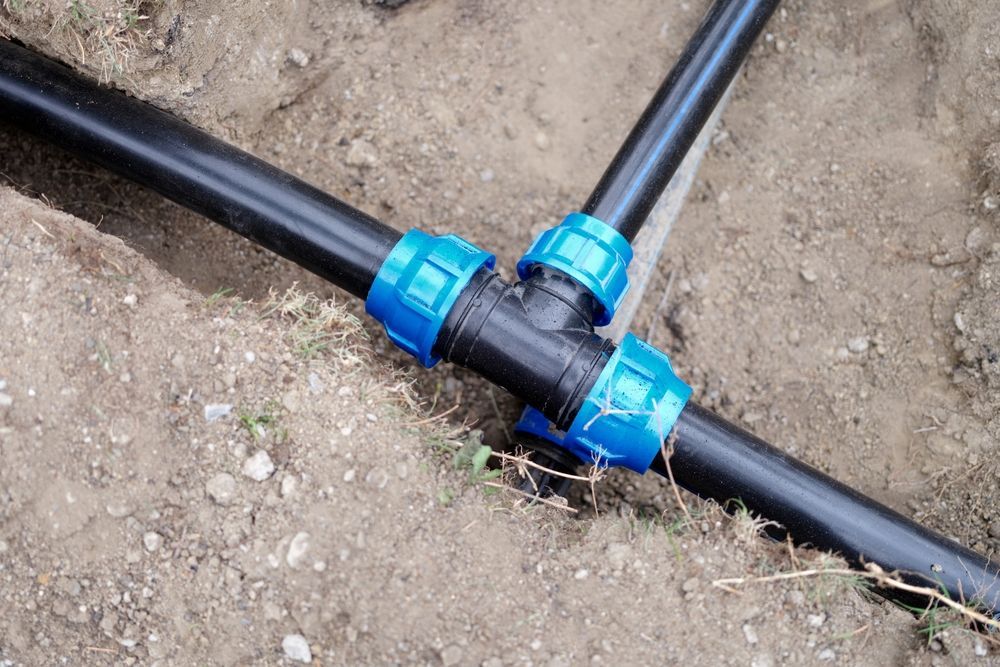
Low water pressure is one of the most frustrating plumbing problems homeowners in Topeka face. Whether you’re struggling to rinse soap off in the shower or waiting forever for your washing machine to fill, weak water flow can interrupt your daily routine.
In many cases, the solution is simple — but sometimes low water pressure signals a deeper plumbing issue. This guide explains the most common causes, how to troubleshoot safely, and when to call the professionals at O’Harra’s Plumbing Service.
What Is Considered “Low Water Pressure”?
Normal household water pressure should range between 40 and 60 psi (pounds per square inch). Anything below 40 psi can result in sluggish flow at faucets and appliances.
If your water trickles out slowly, it may not be a simple issue with one fixture. Instead, it could involve your main water line, pressure regulator, or internal pipe condition. Because Topeka homes vary widely in age and plumbing materials, determining the exact cause requires an experienced eye.
Common Causes of Low Water Pressure
1. Clogged Aerators or Showerheads
Mineral buildup is a common culprit in areas like Topeka, where the water supply tends to be hard. Over time, calcium deposits can clog faucet aerators or showerheads.
Quick Fix: Unscrew the fixture, soak it in vinegar overnight, and gently scrub away debris before reinstalling. If pressure improves, you’ve likely found the problem.
2. Sediment Buildup Inside Pipes
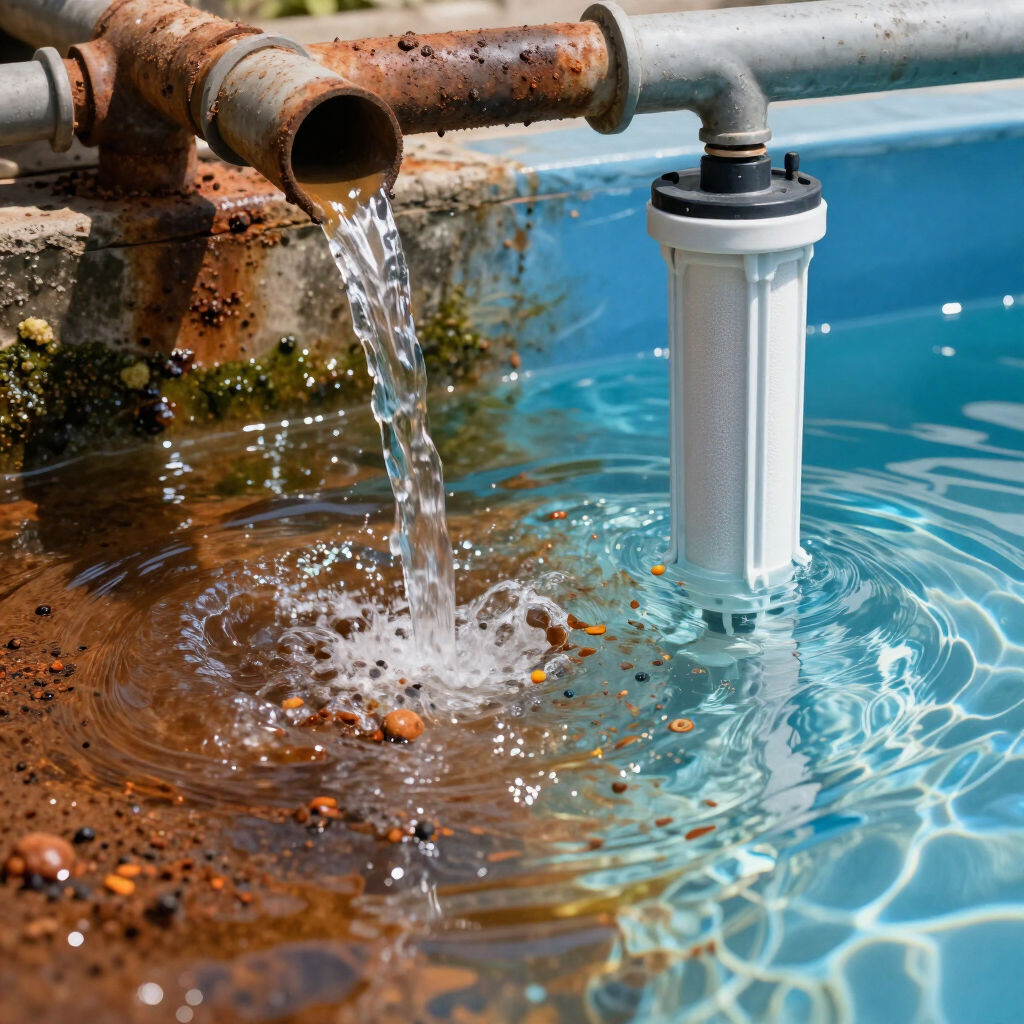
Hard water minerals and rust from aging galvanized pipes can accumulate over time, reducing flow. Sediment can also clog valves and joints. This is common in older Topeka homes with outdated plumbing materials.
If cleaning fixtures doesn’t help, professional
pipe inspection or descaling may be required.
3. Partially Closed Shutoff Valves
Sometimes the main shutoff valve or a branch valve near a fixture isn’t fully open. Check that all accessible valves are turned completely counterclockwise.
If you’ve had recent plumbing work done or turned off the water for repairs, this is a simple first step to rule out.
4. Malfunctioning Pressure Regulator
Most homes have a water pressure regulator located near the main water line. When it fails, you may experience either very high or very low water pressure.
A professional plumber can test the regulator with a
pressure gauge and replace it if it’s no longer functioning properly.
5. Hidden Leaks or Corroded Pipes
Low pressure throughout your home could signal a hidden leak. Even a small crack or pinhole in your water line can divert flow before it reaches your fixtures.
Signs include:
- Damp spots on floors or walls
- Hissing or dripping sounds when water is off
- A sudden increase in your water bill
O’Harra’s Plumbing uses
advanced leak detection equipment to locate and repair these leaks before they cause structural damage.
6. Problems with the City Water Supply
Sometimes the issue doesn’t start inside your home. Municipal maintenance, water main breaks, or citywide pressure adjustments can affect supply temporarily. You can contact the City of Topeka Utilities Department to check if other residents are experiencing the same problem.
How to Troubleshoot Low Water Pressure
Follow these simple steps to determine if the issue is isolated or system-wide:
- Test multiple fixtures.
Check both hot and cold water at several faucets. If only one fixture is affected, the issue is likely localized. - Check for visible leaks.
Look for damp spots under sinks, near your water heater, or around your basement foundation. - Inspect your pressure regulator.
If you have a home water pressure gauge, connect it to an outdoor spigot. Readings below 40 psi confirm low pressure. - Flush sediment from your pipes.
Run all faucets simultaneously for several minutes to help clear minor blockages. - Schedule a professional inspection.
If none of the above resolves the problem, it’s time to call a plumber for a complete system check.
Why Professional Diagnosis Matters
While DIY steps can help in simple cases, low water pressure may indicate a serious underlying issue such as:
- A corroded or leaking main water line
- Obstructions inside aging galvanized pipes
- Water pressure imbalance from a faulty valve setup
Professional plumbers use specialized tools like video pipe cameras and pressure testing devices to identify exact causes without unnecessary digging or wall removal. This precision saves homeowners time, money, and stress.
Preventing Future Water Pressure Problems
Preventive maintenance can help you avoid recurring water pressure issues. Here are a few simple habits to keep your system running efficiently:
- Install a whole-home water softener. Reduces mineral buildup in pipes and fixtures.
- Flush your water heater annually. Removes sediment that can affect both hot water quality and pressure.
- Schedule yearly plumbing inspections. Professionals can identify small leaks, pressure issues, and worn parts before they fail.
- Replace aging pipes. If your home still has galvanized or polybutylene lines, upgrading to copper or PEX will improve both flow and longevity.
Frequently Asked Questions
Q1: Can low water pressure damage appliances?
Yes. Insufficient water flow can strain dishwashers, washing machines, and water heaters, shortening their lifespan.
Q2: How do I measure my home’s water pressure?
Attach a simple pressure gauge (available at hardware stores) to an outdoor faucet. Normal readings should fall between 40–60 psi.
Q3: Does a water softener help improve pressure?
Yes, indirectly. It prevents scale buildup that can narrow your pipes and slow down flow over time.
Q4: Should I replace my pressure regulator myself?
No. It requires specialized tools and can affect your entire plumbing system. Always have a licensed plumber handle regulator replacement.
Call O’Harra’s Plumbing Service for Reliable Repairs in Topeka
If you’re tired of weak showers and slow-filling sinks, it’s time to restore your home’s water flow. The team at O’Harra’s Plumbing Service offers expert diagnostics, water line repairs, and system upgrades for homeowners across Topeka and Northeast Kansas.
With more than 27 years of local experience, we’re known for fast response times, honest pricing, and lasting results.
Call (785) 260-0521 or visit https://oharrasplumbing.com/contact/ to schedule your plumbing service today.
Recent Posts