Emergency Plumbing Situations – What to Do Before You Call

Plumbing emergencies rarely happen at convenient times. Whether you’re facing an overflowing toilet at night or a burst pipe on a freezing morning, knowing what to do before your plumber arrives can prevent extensive damage and lower repair costs.
At O’Harra’s Plumbing Service, we’ve responded to thousands of urgent calls across Topeka and Northeast Kansas. In this guide, we’ll walk you through the most common plumbing emergencies — and the critical steps to take immediately while you wait for professional help.
What Qualifies as a Plumbing Emergency?
Any plumbing issue that risks water damage, property flooding, or loss of essential services should be treated as an emergency. Common examples include:
- Burst or leaking water pipes
- Overflowing toilets or sewer backups
- No running water
- Sudden loss of hot water
- Major leaks from water heaters
- Gas leaks or the smell of natural gas
- Basement or crawl space flooding
If you’re unsure whether your problem qualifies, err on the side of caution and call a licensed plumber right away. Acting fast can be the difference between a small repair and a major renovation.
[Contact O’Harra’s Plumbing Service]
Step-by-Step Guide – What to Do Before You Call
1. Shut Off the Water Supply
Your first and most important step is to stop water flow.
- For whole-home leaks: Locate your main water shutoff valve (usually near your water meter, basement wall, or crawl space) and turn it clockwise to close.
- For fixture-specific issues: Shut off the small valve behind or beneath the toilet, sink, or appliance.
This step prevents gallons of water from flooding your home while you wait for the plumber.
2. Turn Off the Water Heater
If the emergency involves a burst pipe or no water supply, turn off your water heater to prevent overheating or damage.
- For
electric water heaters, switch off the breaker.
- For
gas units, turn the thermostat to “pilot” mode.
This protects the tank from pressure buildup or element burnout.
3. Relieve Pressure in the Lines
After shutting off the water, open your faucets to drain remaining water from the system. This reduces pressure in the pipes and helps prevent further leakage or bursts. Start with lower-level faucets, then move upstairs to completely empty the lines.
4. Contain the Water
Use towels, buckets, or wet/dry vacuums to remove standing water as quickly as possible. The faster you dry affected areas, the less chance you’ll have of mold or structural damage. For larger leaks, move furniture and electrical cords out of the area immediately.
5. Avoid Using Chemical Drain Cleaners
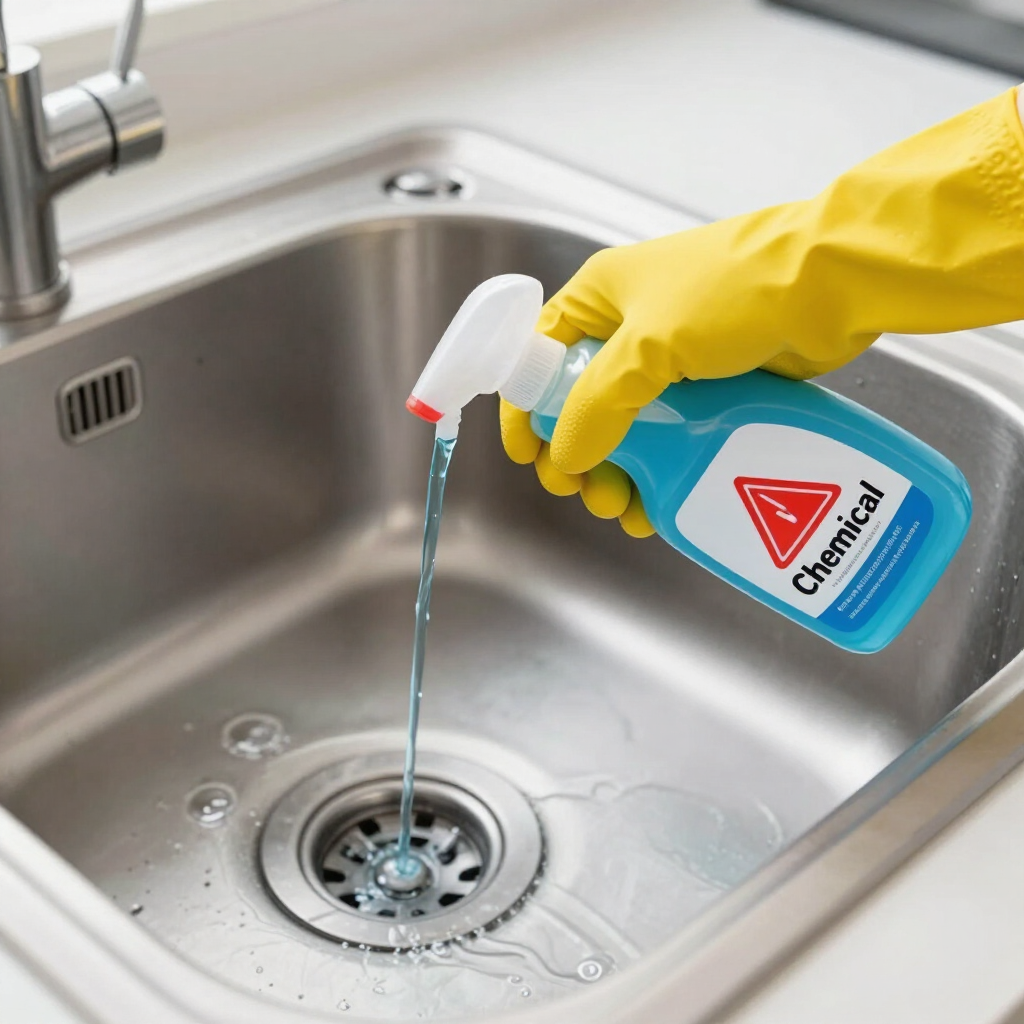
If the problem is a clogged drain, resist the urge to pour chemical cleaners down it. These can cause burns, release toxic fumes, and make repairs more difficult. Professional plumbers have safer, more effective tools for clearing blockages.
[Why You Shouldn’t Use Chemical Drain Cleaners]
6. Turn Off Electricity if Flooding Occurs
If water is spreading near electrical outlets or appliances, cut power to that area of your home immediately at the breaker box. Safety always comes first — never touch standing water near active electricity.
7. Identify the Source if Possible
Try to determine where the water is coming from without putting yourself in danger. This helps your plumber assess the issue more quickly once they arrive. Take note of any visible damage, unusual sounds (like hissing or dripping), or water temperature changes.
8. Call a Licensed Emergency Plumber
Once the immediate danger is under control, contact a trusted local plumber for professional service. O’Harra’s Plumbing Service offers emergency plumbing repair in Topeka and Northeast Kansas, and our team is equipped to handle any situation safely and efficiently.
When you call, be ready to provide:
- Your address and contact information
- Description of the problem
- Steps you’ve already taken
- Any visible damage or safety concerns
This information allows us to dispatch the right tools and expertise for your specific emergency.
The Most Common Plumbing Emergencies in Topeka Homes
Burst or Leaking Pipes
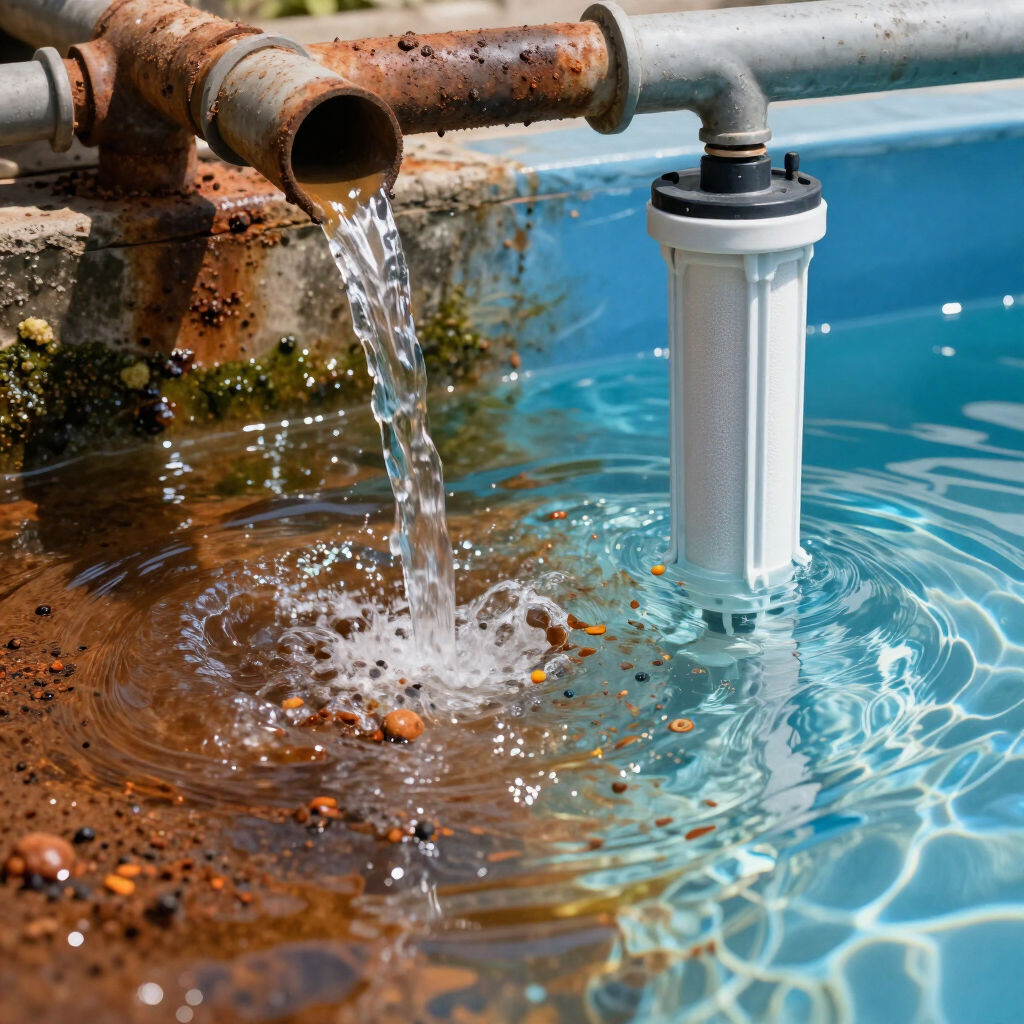
Frozen temperatures and aging pipes make this one of the most frequent winter emergencies in Kansas. Even a small crack can release hundreds of gallons of water daily.
Quick Tip:
Wrap exposed pipes in foam insulation before winter to prevent freezing.
[How to Prevent Frozen Pipes in Kansas Winters]
Sewer Backups
If sewage begins backing up into sinks, tubs, or floor drains, this indicates a serious blockage or collapsed main sewer line. Avoid using any water in the house until a plumber arrives.
Warning Signs: Gurgling drains, foul odors, or water pooling around basement floor drains.
Overflowing Toilets
This problem is usually caused by a blockage in the toilet trap or main drain line.
Quick Fix: Remove the lid from the tank and close the flapper to stop water from entering the bowl, then shut off the supply valve behind the toilet.
No Hot Water
A lack of hot water can stem from a faulty thermostat, sediment buildup, or a broken heating element in your water heater.
Quick Fix: Check your breaker panel and ensure the water heater power or gas supply is active. If there’s still no hot water, it’s time for a professional inspection.
[Water Heater Repair and Replacement]
Gas Leaks
If you smell rotten eggs or suspect a gas leak:
- Leave your home immediately.
- Do
not use any electrical devices, switches, or lighters.
- Call your gas company or 911 from a safe location.
- Contact O’Harra’s Plumbing Service once it’s safe for professional gas line repair.
How to Prepare for Future Plumbing Emergencies
Prevention is always better than reaction. Here’s how to be ready before the next emergency occurs:
- Know the location of your
main shutoff valve and label it clearly.
- Insulate exposed pipes before winter.
- Schedule
annual plumbing inspections to catch small leaks early.
- Keep O’Harra’s Plumbing’s number on hand for fast response.
- Install
smart leak detection systems to monitor water usage and leaks 24/7.
These steps can save you thousands in repair costs and prevent severe water damage.
Frequently Asked Questions
When should I call a plumber instead of handling the problem myself?
If you can’t safely stop the water, find the source, or the issue involves gas, sewage, or electrical components — call a professional immediately.
Does O’Harra’s Plumbing offer after-hours or weekend service?
Yes. We provide emergency plumbing service throughout Topeka and surrounding areas for urgent issues requiring immediate attention.
What should I do if a pipe bursts while I’m away?
Turn off the main water valve as soon as possible, shut off the power, and call O’Harra’s Plumbing. If damage is extensive, contact your insurance provider for next steps.
How can I tell if my water heater is leaking or just condensing?
Condensation usually forms on the outside of the tank and dries quickly. A leak will continue to drip from fittings or the base of the unit.
Will insurance cover a plumbing emergency?
Many policies cover sudden, accidental water damage but not gradual leaks or neglect. Keep records and photos for insurance claims.
Call O’Harra’s Plumbing Service for Emergency Repairs in Topeka
When plumbing emergencies strike, every second counts. O’Harra’s Plumbing Service is your trusted local partner for fast, reliable, and professional emergency plumbing throughout Topeka and Northeast Kansas.
With over 27 years of experience, we provide expert service backed by integrity and local care. From burst pipes to sewer backups, we handle emergencies of all sizes — restoring safety and peace of mind to your home.
Call
(785) 260-0521 or visit
https://www.oharrasplumbingservice.com/contact to reach a licensed emergency plumber today.
Recent Posts