What Causes Water Discoloration (and How We Fix It)
This is a subtitle for your new post
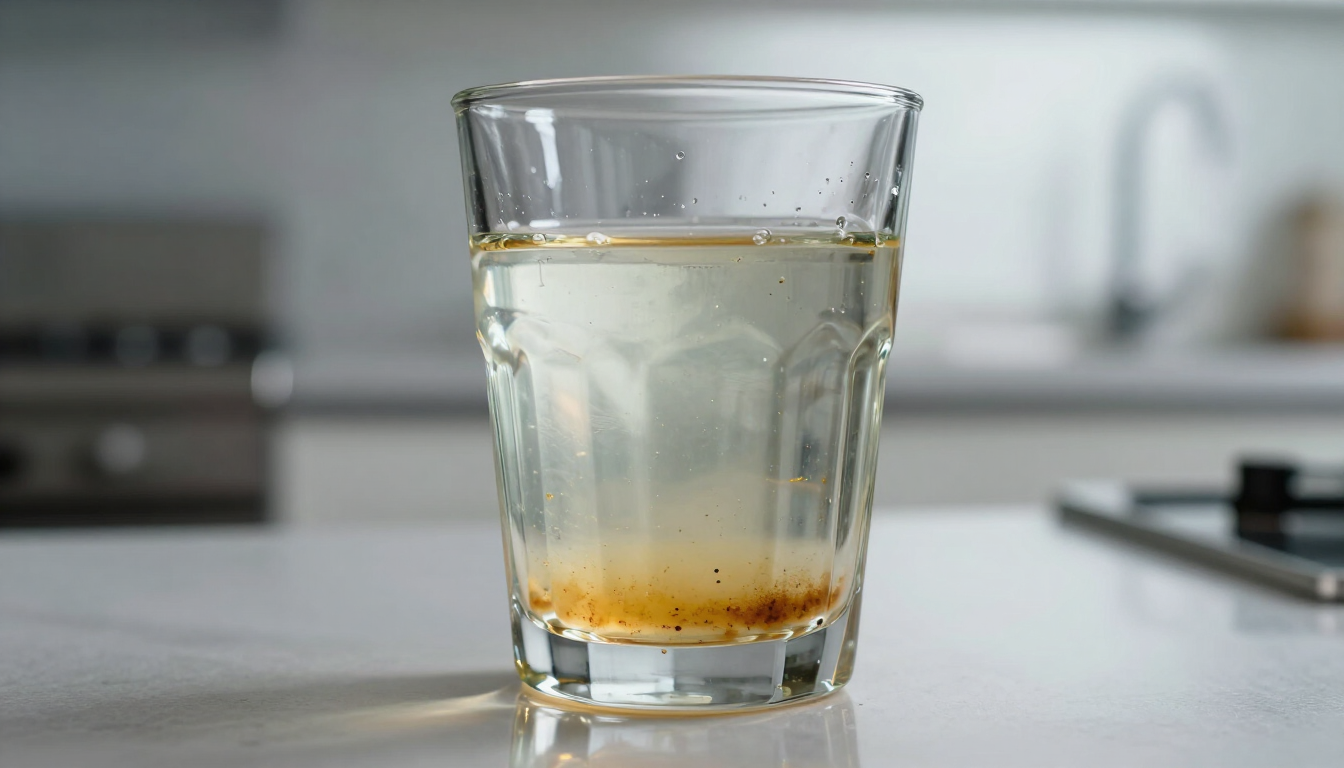
Turning on your tap and seeing brown, yellow, or cloudy water can be alarming. Discolored water doesn’t always mean contamination, but it is a clear sign that something in your plumbing or water supply needs attention.
At O’Harra’s Plumbing Service, we regularly help homeowners in Topeka and Northeast Kansas diagnose and resolve water discoloration issues. Whether it’s a corroded pipe, mineral buildup, or a municipal disturbance, understanding the cause is the first step toward restoring safe, clean water.
Common Causes of Water Discoloration
1. Corroded or Aging Water Pipes
If your home has older galvanized steel or iron pipes, corrosion is the most likely cause of rusty water. Over time, the inner walls of these pipes degrade, releasing iron particles that turn your water brown, orange, or reddish.
This issue is especially common in Topeka homes built before 1980. In addition to discoloration, you may notice:
- A metallic taste in your water
- Reduced water pressure
- Stains in sinks, tubs, or toilets
Solution: O’Harra’s Plumbing performs water line inspections and can replace corroded sections with modern copper or PEX piping for cleaner, longer-lasting results.
[Water Line Repair –
https://www.oharrasplumbingservice.com/water-line-repair]
2. Sediment Buildup in the Water Heater
If discolored water appears only when using hot water, your water heater may be the culprit. Sediment and mineral deposits naturally accumulate at the bottom of the tank, particularly in areas like Topeka where the water is moderately hard. When stirred up, this sediment causes cloudy, yellow, or brown-tinted water.
Solution: Our technicians can flush your water heater to remove sediment buildup or replace the unit if corrosion has begun inside the tank. Upgrading to a tankless water heater also helps eliminate future sediment issues.
[Water Heater Replacement –
https://www.oharrasplumbingservice.com/sewer-line-repair-and-replacement]
3. Disturbance in City Water Lines
Sometimes, discolored water isn’t a problem with your plumbing at all. Repairs or maintenance on Topeka’s municipal water system can disturb sediment and rust in public pipes, temporarily causing brown or cloudy water in nearby homes.
Solution: If discoloration appears suddenly throughout your neighborhood, let the water run for several minutes until it clears.
4. Rusting Fixtures or Fittings
In some cases, the discoloration originates from a specific fixture rather than the main plumbing system. Older faucets, valves, and supply lines can corrode internally, releasing rust particles directly into the water flow.
Solution: Replacing these small components is often an easy fix. O’Harra’s Plumbing inspects your fixtures and supply lines, replacing only the affected parts while ensuring your entire system is protected from future corrosion.
5. High Mineral Content (Hard Water)
Topeka’s hard water contains elevated levels of iron, manganese, and calcium. Over time, these minerals can discolor water, leave stains on fixtures, and reduce the lifespan of appliances such as dishwashers and washing machines.
Solution: Installing a whole-home water softener or filtration system removes minerals, prevents staining, and improves the taste and clarity of your water.
[Water-Saving Plumbing Upgrades –
https://www.oharrasplumbingservice.com]
6. Leaking or Broken Water Mains
If discolored water appears suddenly — especially after heavy rain or construction nearby — it could indicate a leak or break in your water service line. Soil, rust, or other debris can enter the line, contaminating your water supply.
Solution: We provide emergency water line repair and replacement services throughout Topeka. Using advanced leak detection and pipe repair methods, we restore clean, safe water flow quickly and efficiently.
What the Color of Your Water Means
| Water Color | Possible Cause | Recommended Action |
|---|---|---|
| Brown/Red | Rust or iron from corroded pipes or heater tank | Schedule pipe inspection or water heater flush |
| Yellow | Mineral buildup or city line disturbance | Flush taps, monitor changes, contact plumber if persistent |
| Cloudy/Milky | Trapped air bubbles or hard water | Let water sit; if it clears, it’s air — if not, call for testing |
| Green/Blue | Copper corrosion or acidic water | Replace corroded pipes; test pH and install neutralizer |
| Black or Gray | Mold, manganese, or decaying rubber hoses | Call a licensed plumber immediately |
Understanding the color can help you identify the urgency of the problem — but a professional inspection is always the safest approach.
Is Discolored Water Safe to Use?
In most cases, discolored water caused by rust or sediment is not immediately harmful. However, it can:
- Stain laundry, fixtures, and dishes
- Leave an unpleasant metallic taste
- Indicate deeper corrosion that could lead to leaks or pipe failure
If the discoloration persists for more than 24 hours or if you notice an oily sheen, sulfur smell, or floating particles, do not drink the water until it has been tested and inspected by a licensed plumber.
How O’Harra’s Plumbing Fixes Water Discoloration
When you call O’Harra’s Plumbing Service for discolored water, we follow a thorough process to locate and resolve the source of the problem.
Step 1: System Inspection and Water Testing
We begin by determining whether the issue affects hot, cold, or both water lines. We may take samples and perform pressure or flow tests to pinpoint the source.
Step 2: Camera and Leak Detection
If corrosion or damage is suspected, we use video camera inspection and advanced leak detection tools to evaluate pipe condition and locate buildup or breaks.
Step 3: Professional Cleaning or Replacement
Depending on the cause, we may:
- Flush your water heater or lines
- Replace corroded or outdated pipes
- Install filtration or softening systems
- Repair leaks or broken service lines
Step 4: Preventive Maintenance
Once clean water flow is restored, we recommend maintenance plans and periodic inspections to prevent recurrence.
Preventing Water Discoloration in the Future
- Flush your water heater annually
to remove sediment.
- Replace aging galvanized pipes
with copper or PEX.
- Install a water filtration or softening system.
- Run taps weekly
in unused bathrooms or basements to prevent stagnation.
- Schedule annual plumbing inspections
to identify early signs of corrosion.
Proactive maintenance keeps your water clean, clear, and safe — while extending the life of your plumbing system.
Frequently Asked Questions
Q1: Is brown water safe to drink?
While not usually dangerous, rusty water can contain metal particles. Avoid drinking it until the source is identified.
Q2: Why is only my hot water discolored?
This typically points to sediment buildup or corrosion inside your water heater.
Q3: Can water discoloration fix itself?
Temporary discoloration from city maintenance may clear after a few hours. Persistent discoloration requires professional inspection.
Q4: Does hard water cause plumbing problems?
Yes. Mineral buildup from hard water can clog pipes, reduce water pressure, and cause discoloration over time.
Q5: How long does it take to replace old water lines?
Most small replacements take one day, while full-home repiping can take several days depending on the home’s size.
Call O’Harra’s Plumbing Service for Clear, Clean Water
If your tap water looks rusty, yellow, or cloudy, don’t ignore it — the issue could worsen over time. O’Harra’s Plumbing Service provides expert diagnosis and repair for water discoloration, leaks, and corrosion across Topeka and Northeast Kansas.
Our licensed master plumber brings over 27 years of experience in resolving complex water quality and plumbing issues. We’ll restore your home’s water clarity and peace of mind — quickly and professionally.
Call (785) 260-0521 or
https://www.oharrasplumbingservice.com/contact to schedule your inspection today.
Recent Posts