How to Prevent Frozen Pipes in Kansas Winters
How to Prevent Frozen Pipes in Kansas Winters
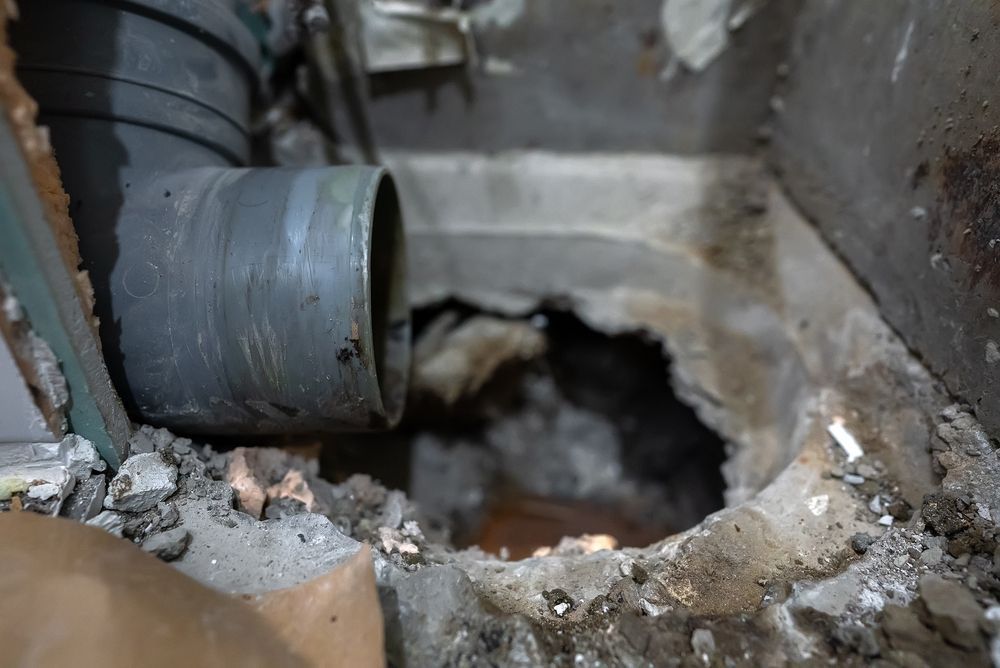
When winter hits Topeka, freezing temperatures can quickly turn into a homeowner’s worst nightmare — frozen pipes. Once water inside a pipe freezes, it expands, creating pressure that can burst pipes, flood basements, and cause thousands of dollars in water damage.
At O’Harra’s Plumbing Service, we’ve seen firsthand how severe Kansas winters can damage plumbing systems. Fortunately, most frozen pipe disasters are preventable with a few proactive steps. Here’s how to protect your home and plumbing system before the next cold snap.
Why Frozen Pipes Are So Dangerous
Frozen pipes are more than just an inconvenience. When ice forms inside a pipe, it blocks water flow and increases pressure between the blockage and the nearest closed valve. Eventually, that pressure can cause the pipe to crack or burst — often inside walls or under floors where damage goes unnoticed until it’s too late.
Typical repairs after a burst pipe can range from $1,000 to $5,000 or more, especially if drywall or flooring is affected. Preventing freezing is far easier and less expensive than repairing the aftermath.
Which Pipes Are Most at Risk in Topeka Homes
Not all pipes freeze equally. In Kansas, the following are most vulnerable:
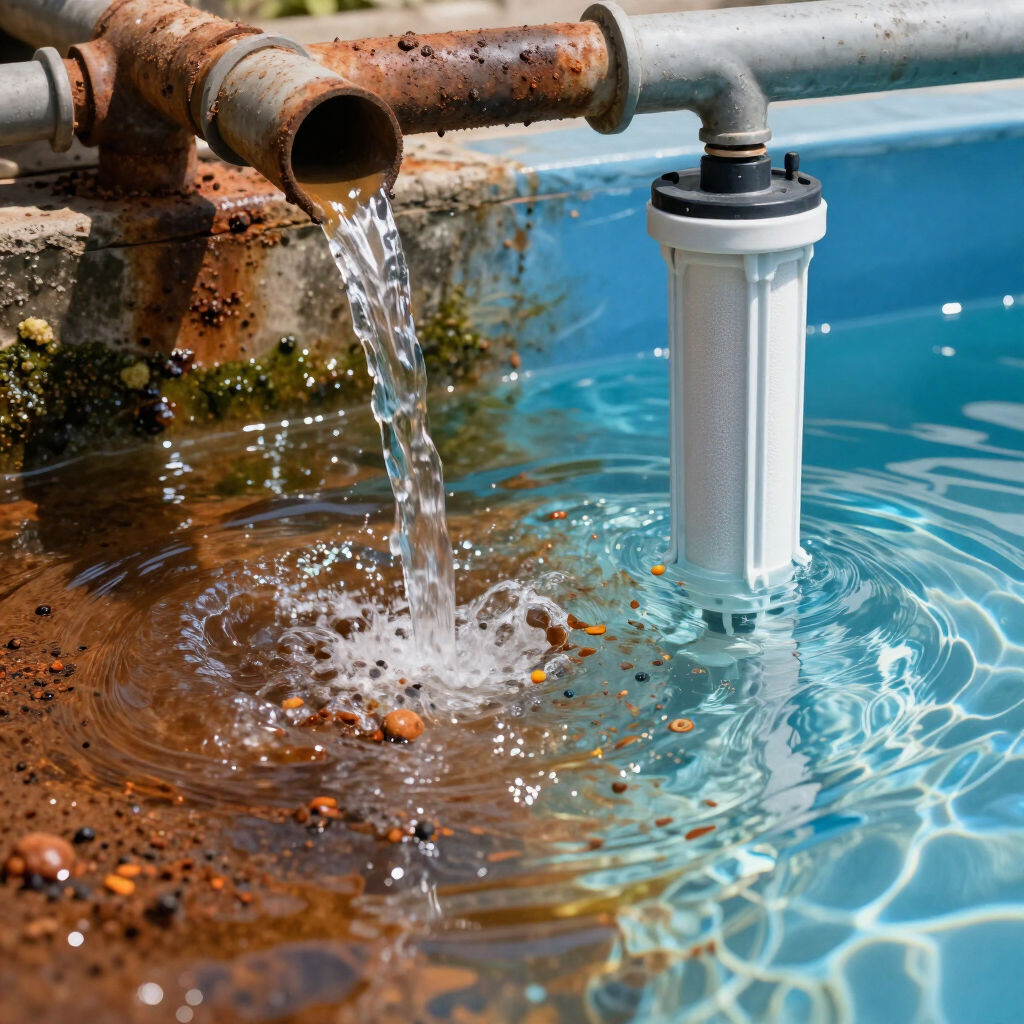
- Exposed outdoor pipes such as hose bibs, sprinkler lines, and pool supply lines
- Pipes in unheated areas, including garages, crawl spaces, attics, and basements
- Pipes along exterior walls, especially if insulation is lacking
- Plumbing under kitchen or bathroom cabinets that sit against outside walls
Identifying and insulating these areas is the first line of defense.
Steps to Prevent Frozen Pipes
1. Insulate Exposed Pipes
Wrap insulation sleeves or heat tape around exposed water lines, especially in unheated spaces. Foam pipe insulation is inexpensive and available at most hardware stores. Pay close attention to areas near basement windows and crawl space vents.
2. Seal Air Leaks and Drafts
Cold air entering through gaps or cracks can quickly drop pipe temperatures. Seal openings around windows, doors, and sill plates with caulk or expanding foam.
O’Harra’s Plumbing often recommends sealing gaps near pipe entry points where lines pass through exterior walls or foundations.
3. Keep a Steady Indoor Temperature
During extreme cold, keep your thermostat set to at least 55°F, even if you’re away. Sudden temperature drops increase the likelihood of freezing. For multi-story homes, ensure all levels receive adequate heat circulation.
4. Open Cabinet Doors
On especially cold nights, open cabinet doors beneath sinks (particularly those on exterior walls) to allow warm air to circulate around the pipes. If safe to do so, consider placing a small space heater nearby for additional warmth — but always follow safety guidelines.
5. Let Faucets Drip Slightly
Allowing a slow trickle of water to run through your faucets during freezing weather keeps water moving and reduces pressure inside pipes. Focus on fixtures fed by lines that run through unheated spaces.
6. Disconnect and Drain Outdoor Hoses
Leaving hoses attached traps water inside the faucet and connecting pipe, increasing the risk of freezing. Disconnect all garden hoses, drain irrigation lines, and install frost-free hose bibs where possible.
7. Add Pipe Heating Cables for High-Risk Areas
For pipes that can’t easily be insulated — such as those in crawl spaces — electric heat cables provide consistent warmth to prevent freezing. These cables automatically activate when temperatures drop below a set threshold.
8. Know Where Your Main Water Shutoff Is
If a pipe bursts, shutting off the water quickly minimizes damage. Every Topeka homeowner should know the location of their main water shutoff valve and ensure it’s accessible and functional.
What to Do If Your Pipes Freeze
If you turn on a faucet and only a trickle of water comes out, a section of your pipe may be frozen. Here’s what to do immediately:
- Turn off the main water supply. This prevents flooding if the pipe bursts as it thaws.
- Open the affected faucet to relieve pressure.
- Apply gentle heat to the frozen area using a hair dryer, heating pad, or warm towels. Never use open flames or torches.
- Call a licensed plumber if the pipe isn’t accessible or if you’re unable to locate the frozen section.
O’Harra’s Plumbing Service offers emergency plumbing repair in Topeka to handle frozen pipes safely and efficiently.
Long-Term Prevention and Maintenance Tips
- Schedule annual plumbing inspections. Professional plumbers can identify vulnerable areas before winter hits.
- Upgrade old pipes. Replace galvanized or corroded sections with modern PEX, which expands slightly when frozen and resists bursting.
- Add insulation to attics and crawl spaces. Maintaining overall warmth protects both plumbing and energy efficiency.
- Drain outdoor lines before freezing temperatures arrive.
- Install smart leak detectors. These systems send alerts if a pipe bursts while you’re away.
Frequently Asked Questions
Q1: At what temperature do pipes typically freeze?
Pipes can begin freezing when temperatures drop below 20°F for six hours or longer, though wind and insulation levels can affect timing.
Q2: Can plastic pipes freeze and burst?
Yes. While PEX and PVC are more flexible than metal pipes, they can still split if water inside them freezes completely.
Q3: Should I leave my faucet dripping all winter?
Only during extreme cold spells. Continuous dripping wastes water, so use this method strategically when temperatures fall below 15–20°F.
Q4: How do plumbers thaw frozen pipes safely?
Professionals use
thermal imaging and controlled heat sources to thaw pipes gradually without damaging joints or fittings.
Q5: What’s the best insulation for preventing frozen pipes?
Closed-cell foam insulation offers excellent protection and is easy to install. For high-risk areas, pair insulation with electric heat tape.
Call Topeka’s Trusted Plumbing Experts Before Winter Strikes
Don’t wait until freezing weather causes an emergency. The licensed team at O’Harra’s Plumbing Service provides insulation, pipe repair, and preventive maintenance to keep your home safe and dry all winter long.
Serving Topeka and Northeast Kansas for over 27 years, we’re the local plumbing company homeowners trust for quality, reliability, and honest service.
Call (785) 260-0521 or visit https://oharrasplumbing.com/contact/ to schedule your winter plumbing inspection today.
Recent Posts